How Weather Conditions Affect Asphalt Cracks and Potholes
People searching for asphalt cracks and pothole repair are often looking to fix damage caused by weather, and local contractors can provide expert solutions to restore and protect their pavement.
Understanding how weather conditions affect asphalt cracks and potholes is essential for property owners looking to maintain their surfaces effectively. Fluctuations in temperature, moisture levels, and seasonal changes can accelerate the deterioration of asphalt, leading to cracks and potholes that may worsen over time. Recognizing these patterns helps property owners anticipate potential issues and take proactive steps to protect their investment. Local contractors who specialize in asphalt repair are well-equipped to assess how weather impacts specific surfaces and recommend appropriate solutions to prevent further damage.
For property owners in the area, exploring how weather conditions influence asphalt health is a practical way to extend the lifespan of driveways, parking lots, and other paved surfaces. When weather-related stresses cause cracks or potholes, timely repairs can save money and avoid more extensive repairs down the line. Service providers experienced in asphalt crack and pothole repair can provide tailored solutions, ensuring surfaces remain safe and functional despite changing weather patterns. Keep reading to learn more about how weather impacts asphalt and how local experts can help keep surfaces in top condition.
- Asphalt crack repair may be needed after temperature fluctuations cause expansion and contraction, with local contractors addressing these issues promptly to prevent further damage.
- Pothole repair becomes essential during freeze-thaw cycles that weaken pavement, with service providers using specialized methods to restore the surface.
- Asphalt crack sealing is often required following heavy rain or snow that seeps into cracks and worsens deterioration, with local pros applying effective sealing solutions.
- Pothole patching is necessary when moisture and temperature changes create or enlarge potholes, with local contractors focusing on durable fixes.
- Crack filling services are frequently sought after during seasonal transitions, as weather conditions accelerate asphalt cracking, and local pros work to stabilize the pavement.
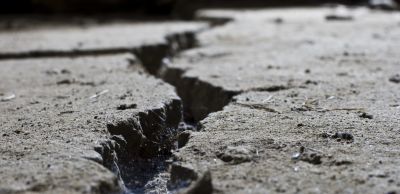
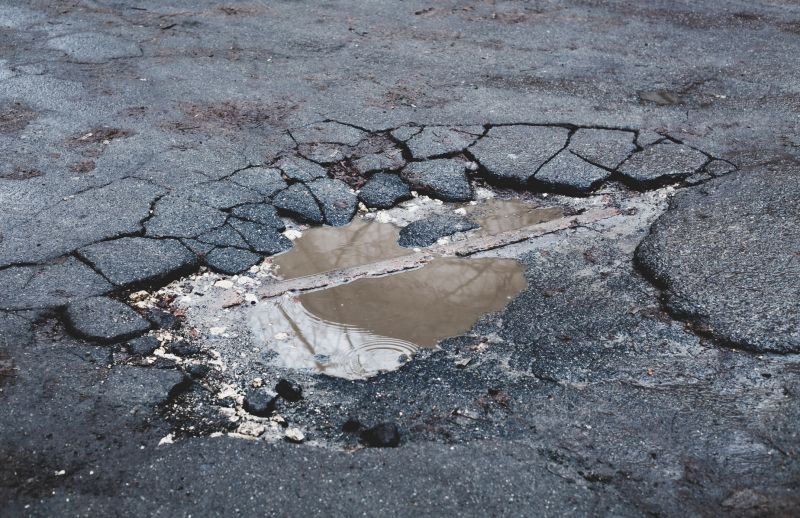
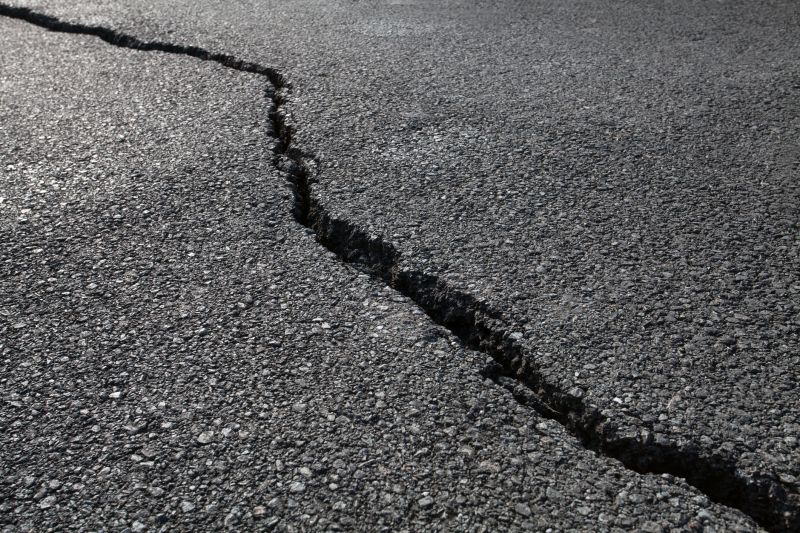
Understanding how weather conditions affect asphalt cracks and potholes is essential for homeowners who want to maintain a safe and durable driveway or parking lot. When searching this topic, many people are looking for insights into why their asphalt surfaces develop damage over time and how changing weather patterns contribute to these issues. Typically, this concern relates to the effects of temperature fluctuations, moisture, and seasonal shifts that can weaken asphalt surfaces, leading to cracks and potholes. Homeowners often seek practical advice on prevention and repair strategies, as well as how local contractors can assist in restoring the integrity of their asphalt surfaces before problems worsen.
The problems associated with weather-related asphalt damage often involve the expansion and contraction of materials due to temperature swings. During hot weather, asphalt can soften and become more susceptible to deformation, while cold temperatures cause it to contract and become brittle. Moisture from rain, snow, or ice can seep into existing cracks, leading to further deterioration as water freezes and expands within the pavement. These conditions frequently result in the formation of cracks and potholes, which can pose safety hazards and reduce the lifespan of asphalt surfaces. Homeowners planning repairs or preventative maintenance need to understand these weather influences to better coordinate with service providers who specialize in asphalt repair.
Properties that commonly come up in discussions about weather effects on asphalt include residential driveways, parking lots, and private roads. These surfaces are exposed to the elements on a daily basis and are often the most vulnerable to weather-related damage. Potholes tend to form in areas with heavy traffic or poor drainage, where water collects and freezes during colder months. Cracks are frequently seen in both older and newer asphalt surfaces, especially in regions with significant temperature changes. Homeowners with these types of properties might notice increased deterioration during seasonal transitions and may consider proactive repairs or sealcoating to mitigate future damage.
Local asphalt crack and pothole repair service providers play a key role in addressing weather-induced damage. They can assess the extent of cracking and pothole formation, then recommend appropriate solutions such as crack sealing, patching, or resurfacing. These professionals understand how weather conditions accelerate asphalt deterioration and can help plan repairs that extend the pavement’s lifespan. For property owners, connecting with experienced local contractors ensures that repairs are tailored to withstand ongoing weather challenges. Proper maintenance and timely repairs not only improve safety and appearance but also help prevent more costly repairs down the line caused by weather-related wear and tear.
Paving and Sealcoating Projects - local contractors specializing in paving and sealcoating understand how weather conditions impact asphalt durability and can help prevent cracks and potholes caused by temperature fluctuations.
Drainage System Installations - experts in drainage solutions can address water accumulation issues that exacerbate weather-related damage to asphalt surfaces, reducing crack formation and potholes.
Surface Repair and Resurfacing - professionals skilled in asphalt resurfacing can assess weather effects on existing pavement and provide solutions to restore surface integrity.
Storm Damage Restoration - service providers experienced in storm damage repair can handle weather-induced pavement issues, including cracks and potholes resulting from heavy rainfall or freezing temperatures.
Concrete and Asphalt Joint Repair - local pros focusing on joint repair understand how temperature changes cause expansion and contraction, leading to cracks that require timely sealing and fixing.
Waterproofing and Moisture Barriers - specialists in moisture control can help protect asphalt surfaces from water penetration that worsens weather-related deterioration and cracking.
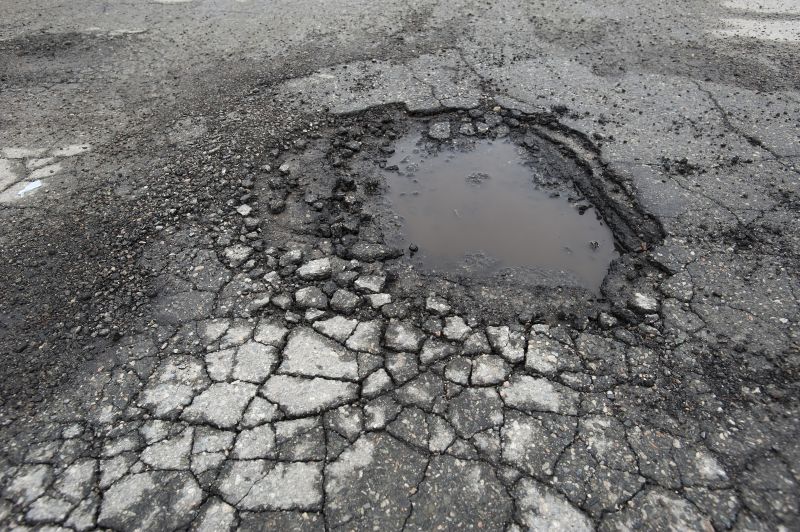
When comparing local contractors for asphalt crack and pothole repair, it is important to consider their experience with similar projects, especially those that involve weather-related challenges. An experienced service provider will have a history of working in conditions that cause or exacerbate asphalt damage, allowing them to better understand how weather conditions affect asphalt cracks and potholes. This knowledge can lead to more effective repairs that address underlying issues and help prevent future deterioration. Asking about a contractor’s previous work in environments with similar weather patterns can provide insight into their familiarity with the specific challenges posed by local climate factors.
Clear written expectations are essential when evaluating potential service providers. A reputable contractor should be able to outline the scope of work, the materials to be used, and the recommended repair methods in a straightforward manner. This transparency helps ensure that both parties understand what will be done to address weather-related damage and how the repairs will help mitigate ongoing issues caused by temperature fluctuations and moisture exposure. Well-defined expectations also make it easier to compare different providers and determine which one offers the most comprehensive approach to weather-related asphalt repairs.
Good communication and reputable references are key indicators of a reliable local contractor. Service providers who are open to discussing their experience with weather-related asphalt issues and who can provide references from past clients can give added confidence in their ability to handle the unique challenges posed by local weather conditions. Clear, ongoing communication throughout the project helps ensure that any concerns or questions about weather impacts are addressed promptly, leading to a smoother repair process. When selecting a contractor, it is beneficial to seek out those with positive feedback regarding their responsiveness and ability to adapt their services to weather-related concerns, ensuring that the repair work will be durable and effective in the long term.
Property owners often search for how weather conditions affect asphalt cracks and potholes when they are planning practical projects around their homes and businesses. Local pros provide Asphalt Cracks and Pothole Repair services for everyday jobs and straightforward project options.
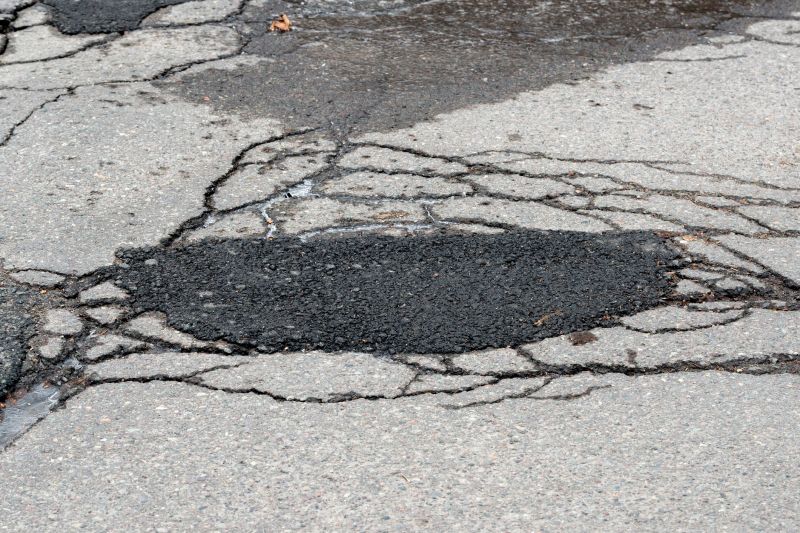
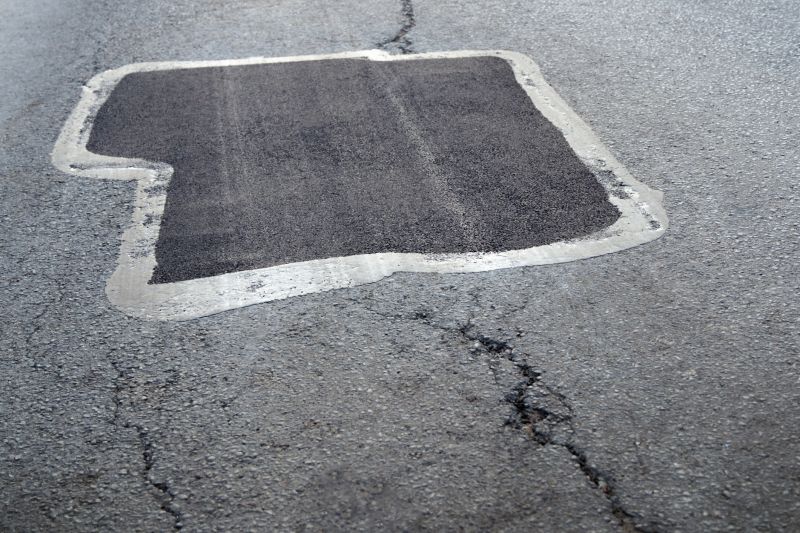
Weather conditions play a significant role in the development and progression of asphalt cracks and potholes. Fluctuations in temperature, especially repeated cycles of freezing and thawing, cause the pavement to expand and contract, which can lead to the formation of cracks. Over time, these small cracks can deepen and widen, eventually turning into larger potholes that disrupt driveways and parking areas. Property owners noticing signs of weather-related damage often seek the expertise of local contractors who specialize in asphalt repair, ensuring that issues are addressed before they worsen.
In addition to temperature changes, moisture from rain or snow can seep into existing cracks, weakening the asphalt's structure and accelerating deterioration. When water freezes, it expands, further enlarging cracks and creating new ones. This cycle can lead to more extensive damage if not promptly repaired. Local service providers experienced in asphalt crack and pothole repair can assess the damage caused by weather conditions and recommend appropriate solutions to help maintain the integrity of the pavement.
How do temperature fluctuations contribute to asphalt cracks and potholes? Significant changes in temperature cause asphalt to expand and contract, which can lead to the formation of cracks and the development of potholes. Local contractors can assess and repair damage caused by these temperature-related stresses.
What impact does rain and moisture have on asphalt deterioration? Excess moisture can weaken asphalt surfaces, causing cracks to widen and potholes to form. Service providers can perform repairs to address water damage and help prevent further deterioration.
Can freezing and thawing cycles worsen asphalt cracks and potholes? Yes, repeated freeze-thaw cycles cause water to seep into existing cracks, freeze, and expand, making cracks larger and increasing the likelihood of pothole formation. Local pros can repair and seal surfaces to reduce this risk.
How do hot weather conditions affect asphalt surfaces? High temperatures can soften asphalt, making it more susceptible to deformation and cracking under traffic loads. Local contractors can help by performing maintenance and repairs to reinforce the pavement.
What weather-related factors should be considered for asphalt repair planning? Seasonal weather patterns, such as temperature swings and precipitation, influence when and how repairs should be made. Experienced service providers can advise on optimal timing for fixing asphalt damage caused by weather conditions.
Seasonal temperature changes - property owners can plan for asphalt repairs before extreme temperature shifts to prevent worsening cracks and potholes, with help from local contractors.
Moisture and drainage issues - ensuring proper drainage can reduce water damage that accelerates pavement deterioration, which local pros can address during repairs.
Freeze-thaw cycles - understanding how repeated freezing and thawing affect asphalt can guide timely repairs by local service providers to minimize damage.
Weather-resistant sealing - applying protective sealants before harsh weather conditions can help preserve asphalt surfaces, with local contractors offering suitable solutions.
If you are thinking about how weather conditions affect asphalt cracks and potholes for a property, this guide is meant to help you understand this topic, the typical project types, and how different options might fit your plans.
When you are ready, you can use the quote form on this page to share a few details about your project. From there, local pros can review the basics and follow up with options that match what you have in mind.